Rising Land Prices and Income Inequality in India: Causes, Consequences, and Possible Solutions
There was a time, two decades ago, when land was cheaper compared to other assets, such as gold. However, today, the cost of land in Telangana and across India is beyond the reach of the middle class.

Here are some possible benefits of demonetizing notes above 20 rupees:


Why is land becoming more expensive compared to other assets?
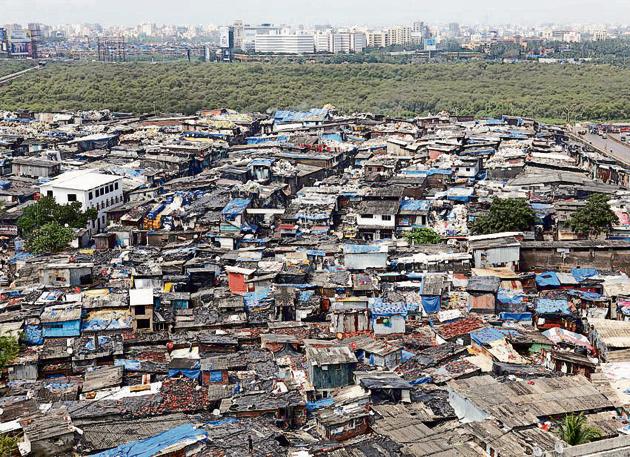

The tenth sustainable development goal emphasizes the need to reduce inequalities, but the question remains: is progress being made, and is the government doing enough to address income disparities?
Is it due to the law of supply and demand, or because the amount of land available is limited?
It is true that to some extent, the limited supply of land is causing prices to rise. However, the total amount of land has remained the same over the past two decades. So why didn't prices rise earlier, and why have they increased exponentially in recent times?
Could it be due to population growth? While population growth could be a contributing factor to consider, it alone cannot explain the significant increase in the cost of land in India. It is noteworthy that the population has only increased by 50%, whereas the cost of land has risen by 100 to 1000 times, representing an astounding percentage increase of 9900% to 99000%.

A significant reason for the increase in demand for land is its use in clearing unaccounted black money.
For instance, in my locality, land costs 1 crore per acre, but its market price is only 4 lakh rupees. If someone has 1 crore of black money, they can buy land for 4 lakhs, and the remaining 96 lakhs of black money can be "vanished." There is also a loss of revenue to the government in the form of registration amount from the buyer and capital gains from the seller.
This is why land has become an important asset. It has resulted in a chain reaction of price rises, as people buy and sell land for inflated prices to launder their black money.
This trend has far-reaching consequences for the Indian economy and society. The rising cost of land has made it challenging for the middle class to own a house or start a business, exacerbating the wealth gap between the rich and the poor.
It has also led to the growth of slums and informal settlements, as people are forced to live in inadequate housing due to high prices.
The concentration of wealth in land ownership has political implications as well. Wealthy landowners have more power and influence than the landless or those who own small pieces of land. This unequal distribution of political power further perpetuates the cycle of inequality.
The rise in land prices has also affected the agricultural sector, which employs the majority of the Indian population. While landowners have become wealthier, small farmers or landless individuals have been left behind. This has resulted in the displacement of small farmers and increased landlessness, leading to rural poverty.
Another issue is rampant corruption and black money in the real estate sector.
The land has become a popular means of laundering black money, leading to price distortions in the real estate market.
The following lines from the Oxfam research give us a clear perspective of the extent of Inequality in India. Click here to read the complete Oxfam Report on Income Inequality in India.
"The top 10% of the Indian population holds 77% of the total national wealth. 73% of the wealth generated in 2017 went to the richest 1%, while *670 million Indians who comprise the poorest half of the population saw only a 1% increase in their wealth."
*Notice the trend in reduction in the value of the wealth of the bottom 50% in the past two decades.
Is there a solution to this problem?
There are a few solutions, I think could help in reducing the income inequalities in India and if you think something needs to be added, please mention it in the comments below, your input is valuable. Let's work together towards a more equitable society.
The first solution can be the demonetization of notes above 20 rupees and mandating online transactions for amounts above 2000 rupees:
1) It becomes more difficult to store and carry black money, as large volumes of cash become cumbersome to handle. For example, one crore rupees in 5000 20-rupee bundles can almost fill a lorry, making it impractical for people to hold such vast amounts of cash.
2) The cost of land stabilizes since black money will no longer be available to artificially inflate land prices. This means that more people can afford to purchase land at fair prices, which can help to reduce wealth inequality.
3) There is less money distribution during elections, making them fairer and more democratic.
4) Corruption is reduced as it becomes harder to engage in illicit transactions using cash.
5) The government's revenue from land sales can increase as market prices move closer to the actual value of the property, leading to higher tax revenue. Currently, the government is missing registration charges from buyers and capital gains from sellers.
Additionally, it may become easier for the government to acquire land for development purposes, as landowners may be more willing to sell at market prices rather than holding out for higher compensation that exceeds market rates.
While demonetization of higher denomination notes and promoting online transactions can be a possible solution to reduce the use of black money in land transactions, it is not a foolproof solution and comes with its own set of challenges.
One of the significant disadvantages is the possibility of people shifting to other assets like gold or cryptocurrencies to store black money.
The government needs to monitor and regulate such assets to prevent illegal money transfers.
Another disadvantage is the lack of digital literacy among the elderly population, who may face difficulties in adapting to digital transactions. The government needs to provide adequate training and assistance to ensure that they are not left behind in this transition.
Moreover, demonetization alone may not be enough to address the issue of rising land prices.
The government needs to implement other measures such as land reforms, improving agricultural productivity, and promoting industrial growth to create alternative sources of income for the population.
It is essential to ensure that the benefits of economic growth are distributed evenly and that the wealth gap between the rich and poor is reduced.
The second solution can be the implementation of Land ceiling acts, which would involve
a) Linking all land holdings to an Aadhar card and limiting individual land ownership to a maximum of 2 acres. Those who exceed this limit would face a higher tax, such as 10000 rupees per acre per year, increasing by 5 percent annually.
b) For establishing industries, businesses, or corporate use, the government would purchase the land and lease it to the institutions or individuals interested in establishing their businesses. All the assets currently owned by the businesses and big institutions will be taken over by paying compensation and will be leased back to them, without affecting their operations.
Implementing a Land Ceiling Act and linking land holdings to an Aadhaar card can have several benefits:
1) Reducing income inequality: With a cap on the amount of land an individual can own, the distribution of land will be more equitable, which can lead to a reduction in income inequality.
2) Preventing land hoarding: With a limit on the amount of land an individual can own, land hoarding will become less prevalent, leading to better land utilization and availability for agricultural purposes.
3) Boosting revenue: With a higher tax rate for those who hold more than 2 acres of land, the government can generate more revenue, which can be used for social welfare programs.
4) Encouraging industrial development and reducing unemployment: The high cost of land is a major hurdle for individuals looking to start their own businesses, often surpassing the cost of necessary machinery and equipment. By allowing the government to buy land and lease it to industries, businesses, and corporations, can benefit Micro, Small, and Medium Enterprises (MSMEs) and potentially decrease unemployment rates in the community.
Imagine if a construction company was given land to initiate a project. This could potentially lead to more affordable flats, thereby solving the problem of homelessness.
5) Reducing corruption: Land is often a key component of corrupt practices in many countries, and implementing a Land Ceiling Act can reduce corruption by limiting the amount of land an individual can own and making land distribution more transparent.
Overall, implementing the above two solutions mentioned can have several positive effects, including reducing income inequality, preventing land hoarding, boosting revenue, encouraging industrial development, reducing unemployment, reducing inflation, and reducing corruption, and linking land holdings to Aadhaar cards could help in promoting more equitable distribution of land, protecting the interests of small farmers and landowners, and promoting sustainable agriculture and industrial development.
But will it be implemented by any of the governments?
It is unfortunate that despite the many advantages that the solutions could offer to the common people, they may not be implemented by the current governments.
why? The reason why governments may not implement the above solutions despite their potential benefits to the public is that some individuals, particularly politicians, may be directly affected. For instance, many politicians own large amounts of land in their names and in the names of others, and such solutions may decrease their personal benefits.
Well-established parties with significant financial resources may also not be willing to give up their advantages for the greater good of society. These parties may use their funds to manipulate elections and win by any means necessary, leading to a further concentration of power and resources in the hands of the few.
It is essential to note that implementing policies and solutions is a complex process that depends on various factors, such as political will, public demand, and budgetary constraints. While some solutions may face challenges, it is not accurate to assume that no government will ever implement them. Public pressure and support can lead to significant changes, and citizens have the power to hold their elected officials accountable and demand the policies and solutions that benefit them the most.
Is it Impossible to implement? Although there may be significant challenges in implementing certain solutions due to conflicting interests and other factors, it is not impossible to achieve them. It is essential for citizens of a country to demand change and hold their elected officials accountable for their actions.
If enough public pressure and support are generated, governments may be compelled to implement policies and solutions that promote the well-being of the majority, even if it goes against the interests of certain groups. The formation of the Telangana Rashtra Samithi (TRS) is an example of how a political party with a clear goal and a strong mobilization strategy can achieve what was once thought impossible.
To address the inequalities in society and other issues, we need a similar political party that can raise awareness and educates the public on the problems and the solutions to those problems. Through this approach, citizens can demand that their elected officials implement policies that benefit the majority of the population, regardless of the interests of specific groups.
Jai Hind.


Thanks for reading✌🏽!!!
ReplyDelete